
The Thalidomide Kid
Werner Herzog: 3 Documentaries (Part 2)

Ballad of the Little Soldier. 1984, 44 minutes.
Handicapped Future. 1971, 43 minutes.
Lessons of Darkness. 1992, 54 minutes.
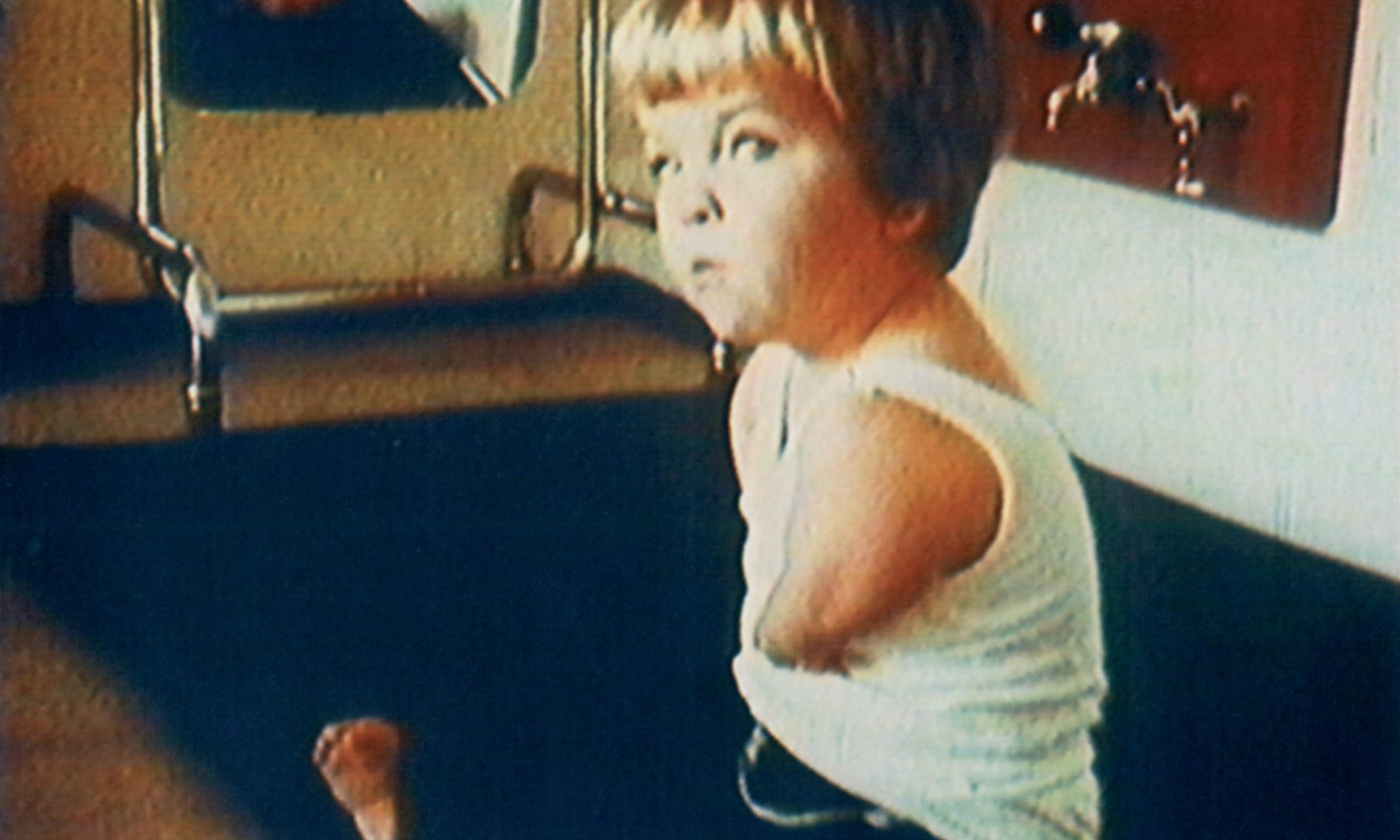
If Ballad of the Little Soldier could be said to illustrate Cormac McCarthy’s dictum in Stella Maris — “I know that you can make a good case that all of human sorrow is grounded in injustice. And that sorrow is what is left when rage is expended and found to be impotent” — then what are we to make of the Thalidomide Kid and his compatriots in Handicapped Future (1971)?
Young Werner is part of a filmmaking team in this slightly uncharacteristic documentary. So he doesn’t get to ask all the questions, but you begin to sense the development of his style. The film is subtitled like a report: THE SITUATION OF PHYSICALLY HANDICAPPED CHILDREN IN THE FEDERAL REPUBLIC OF GERMANY. Very formal, very German. You can’t help but think of how these children might have fared some 30 years earlier, under the previous administration.
Unusually for his films, there’s an opening narration (not by Young Werner) that sets the stall out as Susanne is rolling on the gym mat trying to dress herself. There are 4.5 million handicapped people in the Federal Republic, with 470,000 of those being school-age children. According to surveys, the majority of Germans don’t want to live with them. So where are they? What are they doing? And what do we know about them?
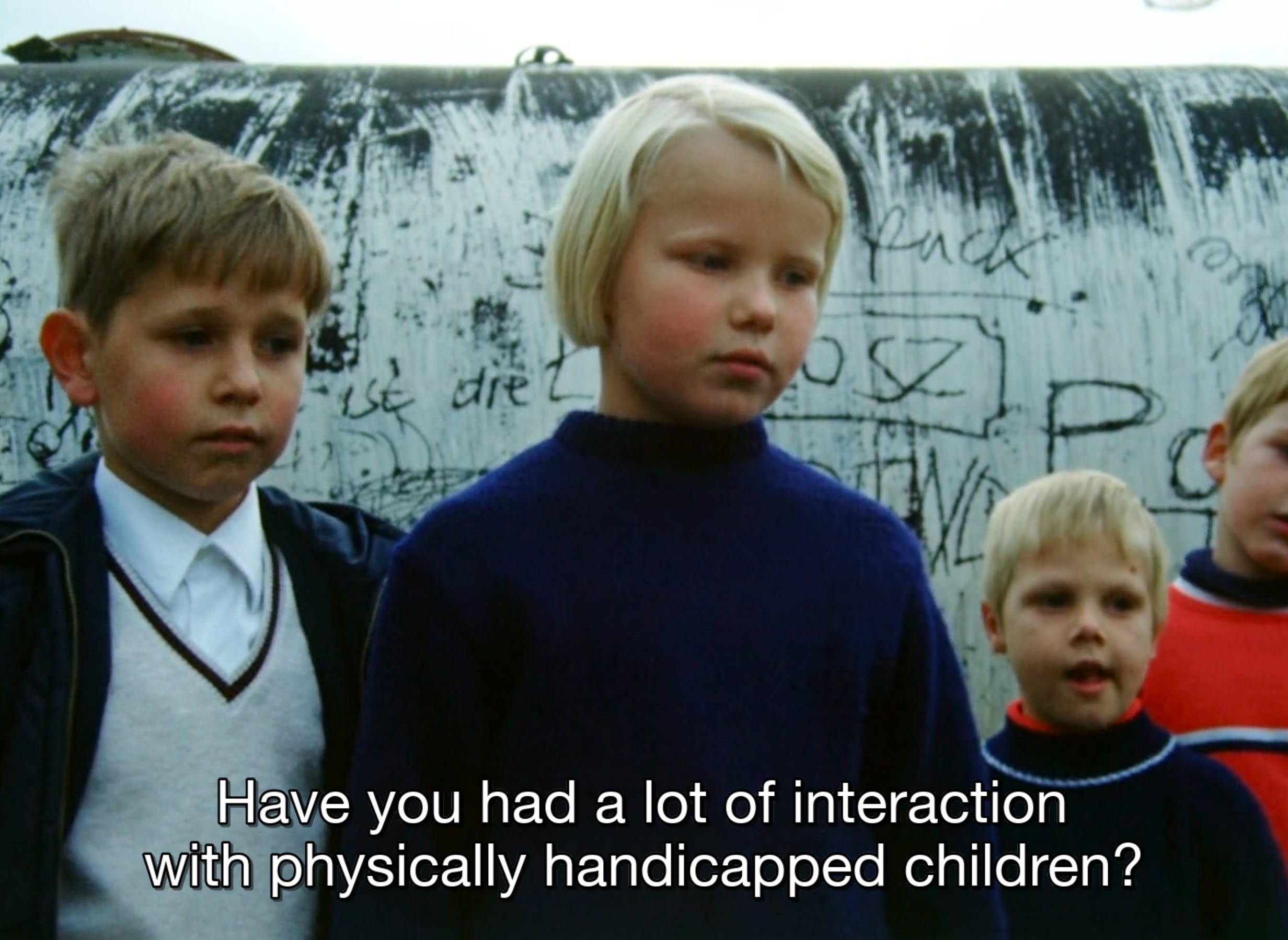
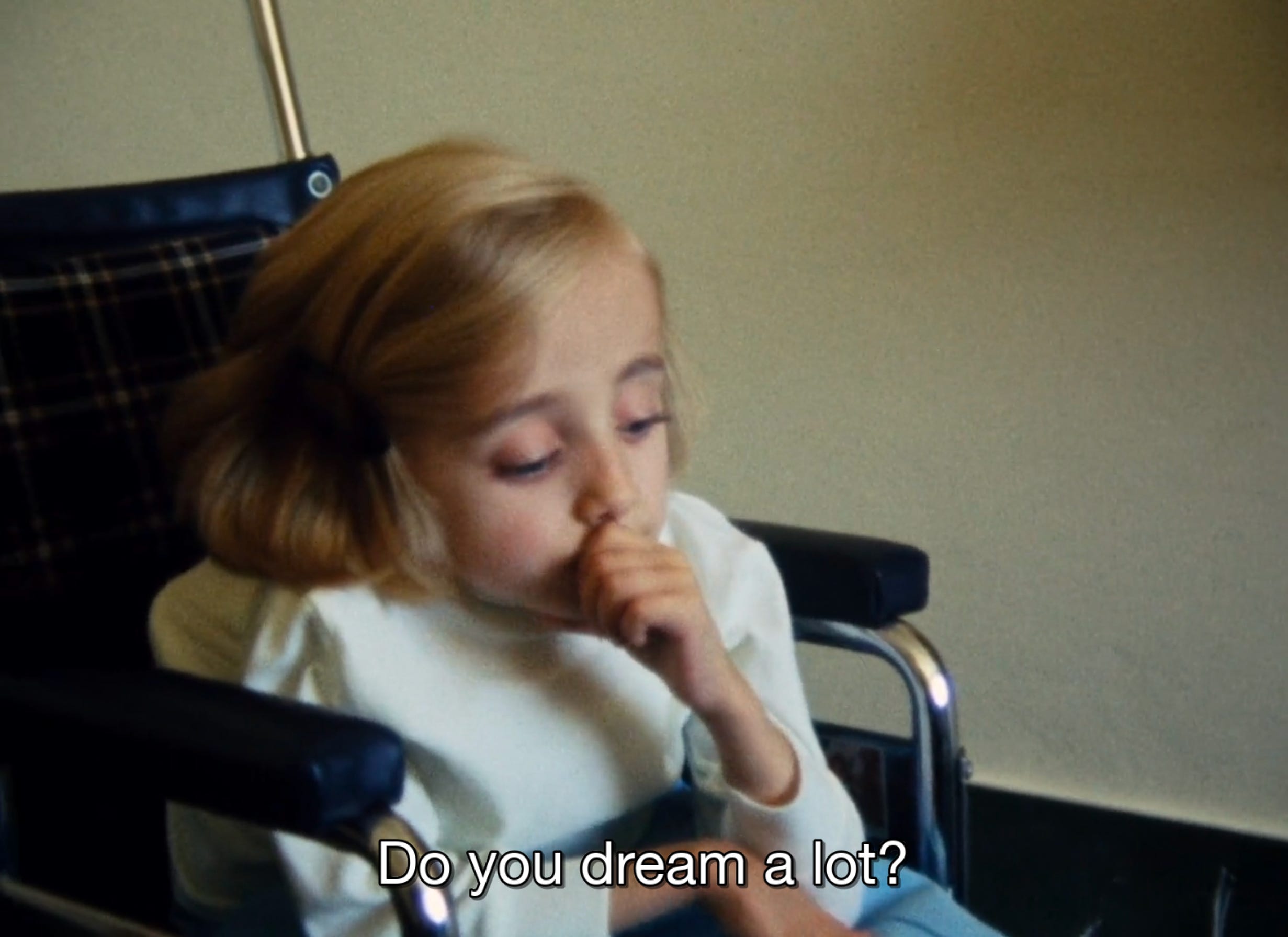
Werner handles the first interview. Dagmar is six years old and confined to a wheelchair. Werner, being Werner, is not interested in the mechanics or details or ballsachingly obvious questions. He elicits from Dagmar that she fantasises about (American) Indians and wants to travel to the United States to meet them. He asks about her dreams. He’s not like the other interviewers.